


Saint of the Week: Conrad Weiser
7/16/2025
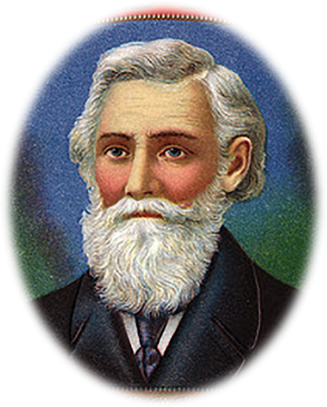
Conrad Weiser
1696 - 1760
Witness to Peace and Reconciliation
Johann Conrad Weiser was a German pioneer, interpreter and de facto diplomat between early Pennsylvania colonists and Native Americans. A farmer, soldier, monk, tanner, and judge, as well, Weiser served as a key emissary in councils between Native tribes and colonists (especially in Pennsylvania) during the French and Indian War. Born in Affstätt, Württemberg, Conrad’s family were among thousands of refugees who fled religious persecution in the German Palitinate in 1709. The Weisers initially settled in New York’s Schoharie Valley. At age 16, Conrad's father agreed to a chief's proposal for the youth to live with the Mohawks in the upper part of the Valley. During his stay in 1712-1713, Conrad learned the Mohawk language, Iroquois customs, and endured all the hardships of cold, hunger, and homesickness. In 1720, he married Anna Eve Feck and relocated down the Susquehanna River, settlibg on a farm in Tulpehocken near present-day Reading, PA. Of their 14 chiodren, only seven reached a adulthood. Conrad’s colonial service began in 1731. The Iroquois sent Shikellamy, an Oneida chief and friend of Weiser, as an emissary to other tribes and the British. The Iroquois trusted him, considering him an adopted son of the Mohawks. Weiser also impressed the Pennsylvania governor and council, which thereafter relied heavily on his services. During the winter of 1737, Weiser attempted to broker a peace between southern tribes and the Iroquois. He had to survive high snow, freezing temperatures and starvation rations just to make the six-week journey to the Iroquois capital of Onondaga (near persent-day Syracuse, NY). Impressed with his fortitude, the Iroquois named Weiser Tarachiawagon (Holder of the Heavens). His peace-brokering had a profound effect on Native American/colonial relations. For years, Weiser helped to keep the powerful Iroquois allied with the British as opposed to the French. Between 1734-1741, Weiser was a follower of Conrad Beissel, a German 7th Day Baptist preacher. During that time, he lived at Beissel’s monastic settlement, Ephrata Cloister, in Lancaster County, PA. . A teacher and lay minister of the Lutheran Church; Weiser was one of the founders of Trinity Church in Reading. When Weiser died on his farm in 1760, an Iroquois chief noted to a group of colonists, "We are at a great loss and sit in darkness ... as since his death we cannot so well understand one another." Not long after Weiser's death, relations between the colonists and Native Americans did indeed begin a rapid decline.


